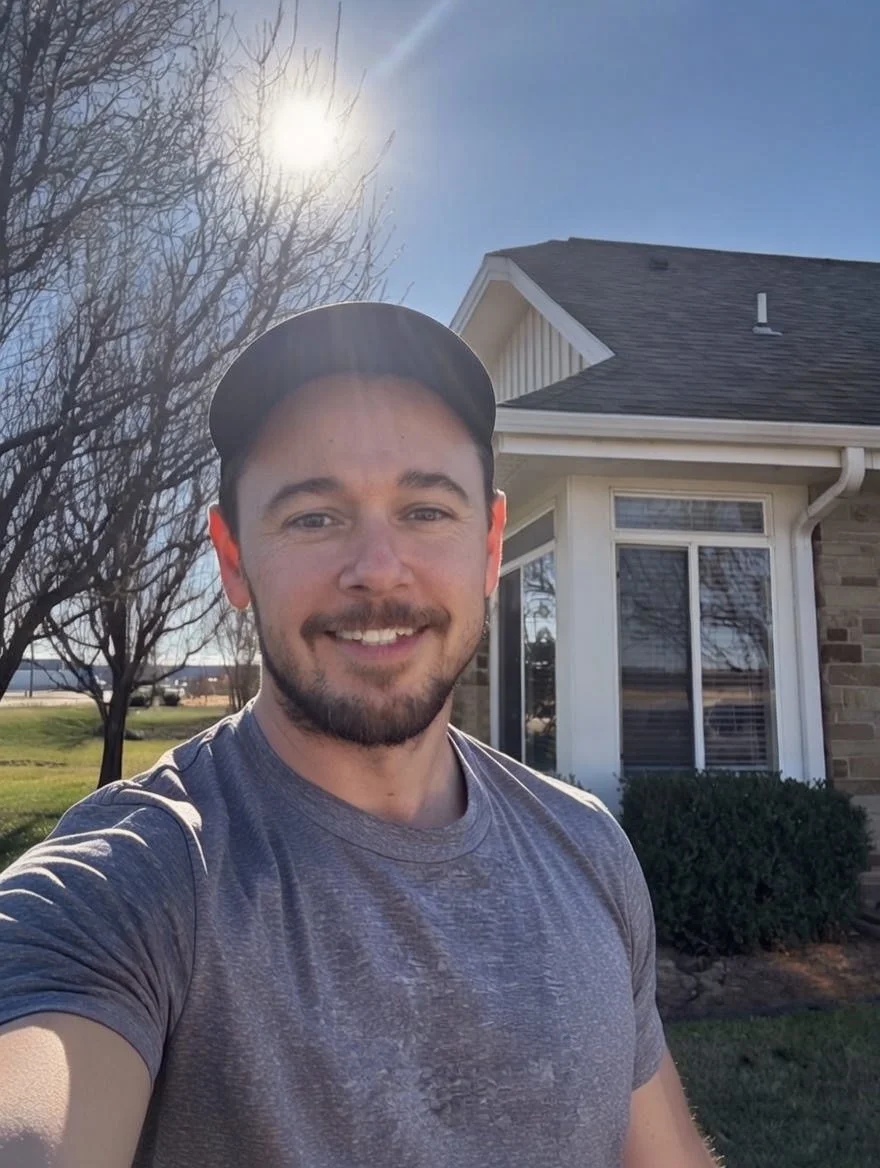
I didn’t enter a 60-day Dialectical Behavior Therapy (DBT) program with a triumphant attitude. I entered it the way you enter a dentist’s office after years of avoidance: tense, suspicious, and hoping no one would ask too many follow-up questions.
I wasn’t just there for drugs and alcohol. I was there because my nervous system had been living in a state of “something bad is about to happen” for most of my life. Domestic violence had taught my body that love could turn fast. Rape had taught it that safety was optional. Substances had stepped in like an unlicensed contractor and said, I can fix this.
Spoiler: They could not.
They numbed things, sure. They also made my life smaller, blurrier, and way more exhausting.
Days 1–14: “Oh, We’re Not Escaping?”
I had no cellphone or computer access for 60 days!!! However, it unexpectedly became very relaxing. DBT started with mindfulness, which I had always associated with calm people on yoga mats (which we did practice yoga) — not with someone whose nervous system reacted to loud noises as if it were auditioning for an action movie.
Mindfulness, it turns out, is not calming. It is revealing.
Suddenly, I could feel when my chest tightened for no reason. When my jaw clenched in conversations that weren’t threatening. When my brain scanned rooms for exits like it was being paid by the hour.
The therapists called these trauma responses.
Not flaws.
Not failures.
Just a body doing its best with outdated information.
That reframing alone felt like someone loosening a bolt inside me.
Still, the urge to numb out was loud. DBT didn’t tell me to fight urges — it told me to notice them. Which felt different. But effective!
Days 15–30: The Chemistry Lesson I Never Asked For
Emotional regulation week was when I learned the truth: I wasn’t “too sensitive.” I was under-resourced. Exhausted. Running on neurotransmitters held together by caffeine and hope.
Drugs and alcohol had been my DIY brain chemistry kit. DBT replaced that with sleep, food, movement, and the deeply annoying practice of checking in with yourself.
Was I actually unsafe — or just reminded of being unsafe?
That was the real question.
Also, this was when humor started sneaking back in. In group, we joked about how every coping skill sounded fake until it worked. Naming five things I could see? Box breathing? Positive Self-Talk? We laughed — not because it was silly, but because it was absurd that something so simple could interrupt something so intense.
Healing, it turns out, has a sense of humor.
The People: Accidental Family
I did not expect to bond with the other people in treatment. I expected polite nodding and emotional distance.
Instead, I found myself sitting in a room with people who got it — often in a “same story” way, but more surprisingly, in a “same nervous system” way.
We could spot dissociation across the room.
We celebrated tiny wins like Olympic medals.
We shared snacks like war rations. Especially, Welch’s Fruit Snack!
There was something profoundly healing about being seen without explanation. No one asked why I reacted the way I did. They already knew.
We laughed a lot. Dark humor, mostly. The kind that says: If we don’t laugh, we’ll cry — and we’ve cried enough today.
Connection wasn’t forced. It was earned, slowly, through honesty and showing up again and again.
Days 31–45: Staying in My Body (Against My Will)
Distress tolerance was where the real work happened.
Trauma memories don’t announce themselves. They ambush. A tone of voice. A smell. A moment of closeness. Suddenly, I wasn’t in the room anymore — I was back there.
DBT taught me how to come back without substances.
Writing it down. Movement. Naming what was real now. Not pretending it didn’t hurt — just proving to myself that I could survive it.
That changed my relationship with my body. For the first time, it wasn’t the enemy or the crime scene. It was just… me. Still here. Still trying.
Days 46–60: Boundaries, Trust, and the Radical Act of Hope
Interpersonal effectiveness nearly took me out. Trauma had taught me that boundaries were dangerous and needs were negotiable. DBT disagreed.
I practiced saying no without explaining.
I practiced asking for support without apologizing.
I practiced trusting people a little at a time.
Nothing exploded.
That felt miraculous.
Day 60: Not Fixed — Free-Enough
I didn’t leave cured. I left capable.
The trauma didn’t disappear. But it stopped running the show. The urges still showed up — but now I could hear what they were really asking for: rest, safety, connection, gentleness.
I didn’t need substances to survive my past anymore.
I had skills. I had people. I had proof that my body could learn something new.
And maybe most importantly, I had hope that didn’t feel forced or fragile. The kind that grows quietly when you stop fighting yourself and start working with your nervous system.
Sixty days didn’t give me a new life.
It gave me myself — with a user manual.
And honestly?
That’s more than I ever thought I’d get. Thank you, Holland Pathways, and thank you to all the wonderful friends I met there. It was truly a blessing to have had the opportunity to go there.
