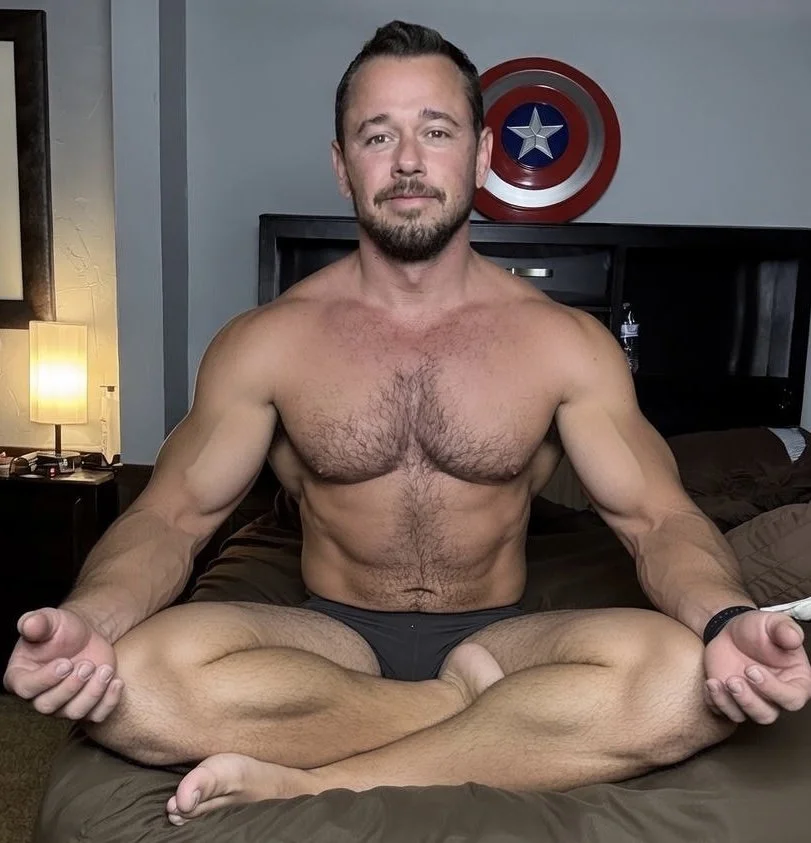
Mindfulness has a PR problem.
Somewhere along the way, it got wrapped in incense, whispered affirmations, and the pressure to “clear your mind” which is adorable advice for people who don’t have brains that behave like caffeinated squirrels.
Mindfulness is not about becoming calm all the time.
It’s about becoming aware more often.
You don’t need silence.
You don’t need enlightenment.
You don’t even need to sit cross-legged unless your hips are feeling cooperative that day.
You just need attention. The kind you already give to your phone.
Let’s talk about practical mindfulness techniques that work in real life.
1. The One-Breath Reset
This is mindfulness for people who don’t have time for mindfulness.
Take one slow breath in through your nose.
Exhale longer than you inhaled.
That’s it. That’s the technique.
This single breath tells your nervous system, “We’re not being chased by anything with teeth.” It shifts your body out of fight-or-flight and into a more regulated state.
Do this:
Before opening your email
Before responding to a text you’ll regret
Before walking into a stressful conversation
One breath won’t fix your life, but it will stop you from lighting it on fire 🔥
2. Label the Moment (Without Judging It)
Your brain loves stories. Mindfulness teaches it to love facts.
Instead of:
“I’m overwhelmed and everything is falling apart”
Try:
“I’m noticing tension in my chest and fast thoughts”
That small shift is powerful. You’re no longer inside the storm. You’re observing the weather.
This technique is called noting, and it creates space between you and your emotions without suppressing them.
You’re not broken.
You’re experiencing a moment.
Moments pass. Even the loud ones.
3. The 5-4-3-2-1 Grounding Trick
When anxiety hijacks your nervous system, this pulls you back into your body like a gentle tow rope.
Name:
5 things you can see
4 things you can feel
3 things you can hear
2 things you can smell
1 thing you can taste
This isn’t woo-woo. It’s sensory neuroscience.
Your brain can’t panic and inventory the room at the same time. One of them has to sit down.
Spoiler: panic usually loses 🪑
4. Mindful Movement (For People Who Hate Sitting Still)
Mindfulness doesn’t require stillness. It requires presence.
Walking counts.
Stretching counts.
Lifting weights counts.
Washing dishes counts (yes, really).
Try this:
During your next movement, feel the sensations without narrating them.
No commentary. No improvement plan. No “I should be doing this better.”
Just:
Feet hitting the ground
Muscles contracting
Water running over your hands
Your body lives in the present. Let your mind visit it there once in a while.
5. The “Name the Inner Critic” Technique
Your inner critic sounds convincing because it thinks it’s the CEO.
Mindfulness helps you realize it’s more like an intern with a loud voice.
Give it a name.
Something mildly ridiculous.
When it shows up:
“Thanks for your input, Gary. Noted.”
This creates psychological distance and reminds you that thoughts are events, not commandments.
You don’t have to believe everything your brain says just because it says it confidently 🧠🎤
6. Micro-Mindfulness Throughout the Day
You don’t need 30 minutes. You need 30 seconds, repeated.
Try:
Feeling the water in the shower
Taking one conscious bite of food
Pausing before standing up
Noticing your breath at red lights
Mindfulness is built in moments, not marathons.
Consistency beats intensity every time.
The Real Goal of Mindfulness
Mindfulness isn’t about being calm, positive, or unbothered.
It’s about being less hijacked.
Less reactive.
Less trapped in old loops.
More able to choose your response instead of replaying your defaults.
You won’t become a monk.
You’ll become more you, just with better emotional steering.
And honestly, that’s the kind of upgrade most of us are actually looking for.
🧘♂️💥
