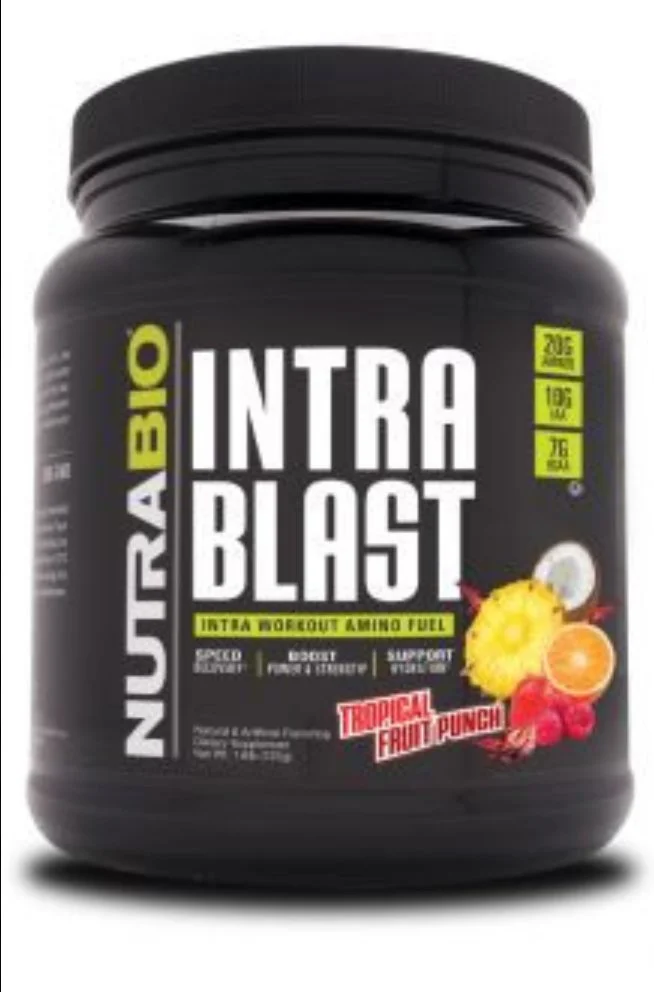
Walk into any supplement store and you’ll see two tubs staring back at you like rival drag queens at a lip-sync battle: BCAAs and EAAs. Both promise muscle, recovery, and gains so good your shirt starts fitting differently. But they are not the same thing, and one of them is quietly doing a lot more work behind the scenes.
Let’s break it down without the marketing fluff, pseudo-science, or a guy named Chad yelling at you from a shaker bottle.
First: What the Hell Are Amino Acids?
Amino acids are the building blocks of protein. Protein builds muscle. Muscle makes you harder to kill, harder to ignore, and easier to feel confident naked. Science.
There are 20 amino acids your body uses.
11 are non-essential (your body makes them)
9 are essential (your body cannot make them, so you must get them from food or supplements)
This is where the plot thickens.
BCAAs: The Popular Kids (But Slightly Overhyped)
BCAAs = Branched-Chain Amino Acids
There are only three of them:
Leucine
Isoleucine
Valine
What BCAAs Do Well:
✔️ Leucine triggers muscle protein synthesis (basically flipping the “build muscle” switch)
✔️ Can help reduce muscle soreness
✔️ Might help preserve muscle during calorie deficits or long workouts
✔️ Taste good and mix easily
The Problem:
BCAAs are like turning on the oven… without having any ingredients in the kitchen.
Yes, leucine tells your body to build muscle, but muscle cannot be built with only three amino acids. You need all nine essential ones to actually construct new muscle tissue.
Without the others, your body has to rob them from somewhere else (usually your existing muscle). Not ideal. Not sexy.
EAAs: The Full Toolbox 🧰
EAAs = Essential Amino Acids
All nine essential amino acids:
Leucine
Isoleucine
Valine
Lysine
Methionine
Phenylalanine
Threonine
Tryptophan
Histidine
Why EAAs Are Superior:
✔️ They actually provide everything needed for muscle protein synthesis
✔️ Better for muscle growth, not just signaling
✔️ Better for recovery and repair
✔️ Support immune function, hormones, and neurotransmitters
✔️ Great if you train fasted or struggle to eat enough protein
EAAs don’t just flip the switch. They build the house, install the plumbing, and fluff the throw pillows.
“But I Already Eat Protein…”
Good. You should.
But here’s where EAAs still shine:
During fasted workouts
When calories are low
During long or intense training sessions
For older lifters (muscle-building signals get weaker with age)
When digestion is an issue
EAAs absorb faster than whole protein and don’t require digestion gymnastics. They’re basically protein on express delivery.
So… Are BCAAs Useless?
Not useless. Just… outgrown.
BCAAs made sense before we understood muscle protein synthesis as deeply as we do now. They’re fine if:
You already hit your protein targets
You like sipping something flavored during workouts
Budget is tight
But if your goal is actual muscle growth, recovery, and performance, EAAs win every round.
The Bottom Line (Read This If You Skipped Everything Above)
BCAAs = partial support
EAAs = full muscle-building package
If you care about gains, recovery, and not wasting money → EAAs > BCAAs
If you already eat plenty of protein, EAAs are still the smarter intra-workout choice
Think of it this way:
BCAAs are foreplay.
EAAs are the whole experience. 😏
Your muscles know the difference.